Toneri Park (舎人公園, Toneri Kōen) is an easy place to underestimate. A photograph of blue nemophila can make it look like a single spring attraction; a map full of sports grounds can make it look useful only to nearby residents. Give it a little longer. The pond, play areas, open lawns and seasonal trees offer several quite different days out.
The practical trick is to choose one main activity, then leave room to wander. A barbecue reservation, a child's turn on a sled and a slow birdwatching walk run on different clocks. Trying to combine all three is a good way to spend a spacious park visit watching the time.
Start here: Take the Nippori–Toneri Liner to Toneri-kōen Station (舎人公園駅), not the similarly named Toneri Station. Tokyo's tourism guide places the park about one minute away on foot. General admission is free and the park is always open; individual facilities have their own hours, fees and closures. Official visitor information.
Spring: more than one cherry season
Start with the park's cherry map rather than treating every tree as the same brief pink spectacle. The service centre's February 2021 map recorded around 1,000 trees across 24 cultivars, including early-flowering cherries and later double blossoms. Look for names such as Gyoikō and Ukon. A named tree gives you something to notice even when the famous variety has finished. Weather still decides the actual flowering dates. Official cherry map.
For organised spring activity, distinguish the two calendars. The 2026 Senbonzakura festival has ended: it ran on 28–29 March, with food, regional produce, performances and volunteer-led birdwatching. The 2026 festival page gives a useful picture of the event, but does not establish next year's dates.
The nemophila hillside belonged to another event: Flower & Light, 10–26 April 2026, also ended. Its evening programme combined flowers, sound and lighting, with a photography platform. The fourth edition was free; its hours differed between weekdays and weekends. Do not travel using an old social-media schedule. No 2027 dates are confirmed in the sources checked for this article. Official English event page.
Summer: water play has an age limit
Plan around shade, drinking water and a shorter outing. The park's seasonal plant list includes hydrangeas and lotus among its summer interest; flowering is something to check, not a promise attached to a calendar month. Park overview and seasonal plants.
The jabu-jabu splash pool is a children's facility, not an adult swimming pool. Its 2026 season ended on 29 September. That year's rules limited use to preschool children through third grade, required swimsuits, and prohibited diapers, including swim diapers. Adults could not enter alone. From 18 July, it used morning and afternoon sessions with a midday closure; capacity restrictions and numbered tickets could apply. Check the next season's rules before promising a child a water day. Official 2026 pool notice and posters.
A barbecue is another option, but reserve even if you bring your own equipment. The site itself is free; equipment and food packages cost extra. The operator normally opens reservations on the third day of the preceding month. Use the actual booking screen for your date rather than assuming a lawn picnic allows a grill. The 2026 sunset-barbecue programme ended on 24 October. Official barbecue details · Booking screen.
Autumn: slow down under the trees
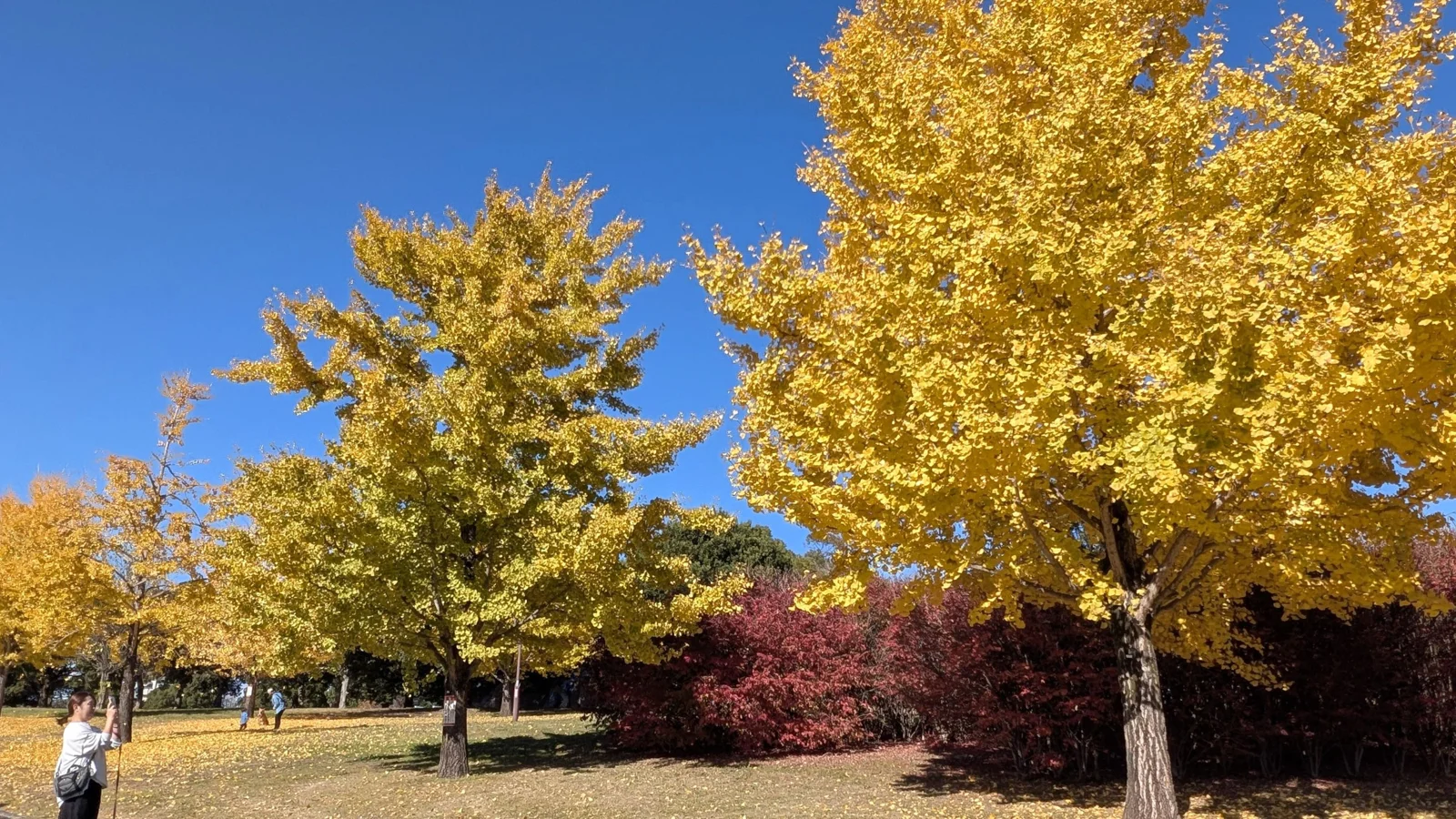
Autumn makes a good case for visiting without an event ticket. Tokyo's foliage guide singles out Toneri's brick-red metasequoias; the park's own plant list also includes ginkgo and bald cypress. Check recent colour reports rather than treating a photograph's date as a forecast. A simple plan is enough: bring lunch, walk until a stretch of colour catches your attention, and leave time to sit. Tokyo's official foliage guide.
A dated autumn outing: 31 October–8 November 2026. The National Grand Pottery Market is scheduled along the route from Toneri-kōen Station toward the second parking area, 09:30–17:00, closing at 16:00 on the last day. The organiser lists ceramics from several Japanese pottery regions, plus wooden and lacquered items. This is a specific 2026 event, not a standing weekly market. Organiser's announcement.
Winter: give the pond some time
Bring binoculars if you have them. The service centre's bird guide lists resident little grebes, spot-billed ducks and moorhens, alongside birds observed from autumn into early spring, including wigeon, pintail and teal. A kingfisher is a possibility, never an appointment. The guide is most useful as a set of things to watch for; it is not a live sightings report. Official bird guide.
What you can actually do
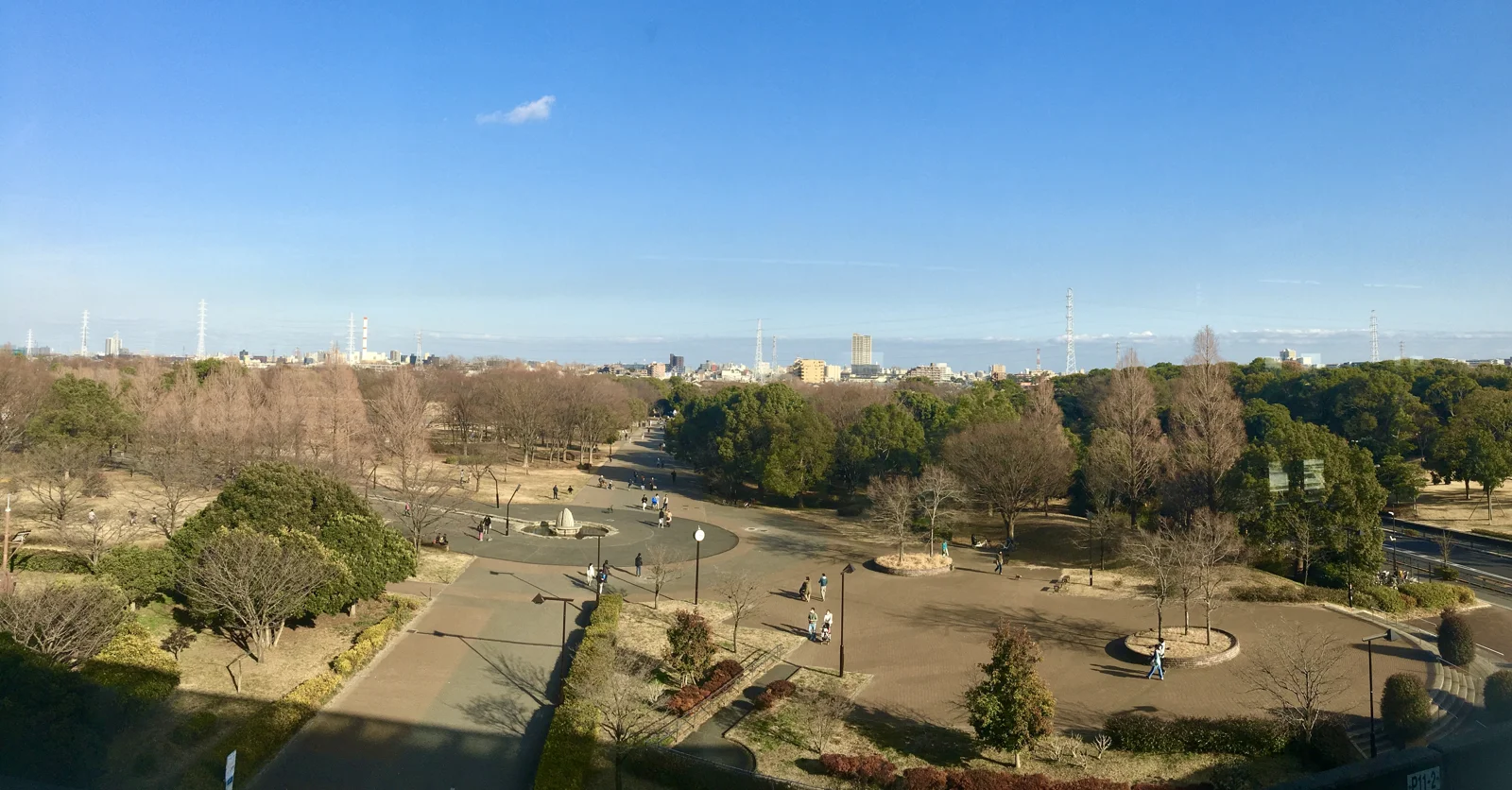
Let children choose one main play area
The sled slope is for ages 3–12; children aged 3–6 ride with an adult. Use the park's supplied sleds. Published sessions are 10:00–12:00 and 13:00–16:00, subject to wet-weather or frost closures. On busy days, numbered tickets begin at 10:00 and may run out. Treat it as a popular activity with a queue, not an unlimited drop-in ride. Sled information · Ticket and use rules.
Adventure Hill in southeastern Area C has inclusive play equipment. Published opening hours are 09:00–17:00 from April through October and 09:00–16:00 from November through March; weather, extreme heat and maintenance can close it. A playground-first visit needs less advance administration than a sports booking. Facility guide.
Sports, dogs and camping: check the small print
Tennis and baseball facilities use a registration and reservation system. Individual athletics-track access is offered on designated public-use days, so consult the current schedule before packing running kit. Facility guide · Sports reservation rules. Registered sports-facility users must also bring the required identity document under the rule introduced in June 2026. ID notice.
The dog run requires annual registration and the prescribed municipal rabies-vaccination tag. Visitors should not assume a pet can simply join in. Dog-run rules. The campground is similarly easy to misread: it serves qualifying educational groups, mainly school-age children, rather than providing ordinary tourist overnight accommodation. Campground eligibility.
A half-day that leaves room to notice things
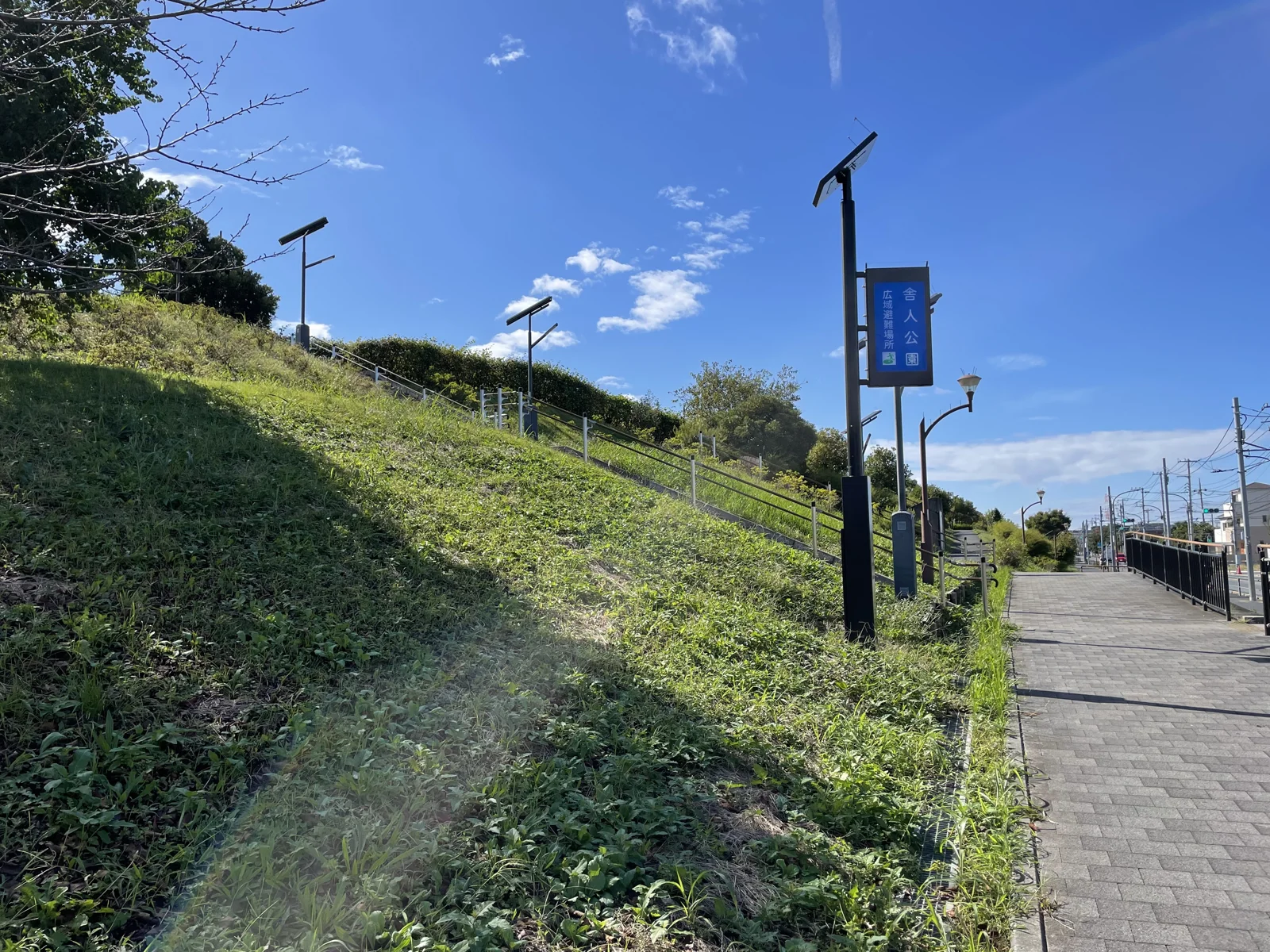
- Arrive without a long checklistCheck today's closures and the park map. If sledding matters, make the ticket queue your first stop; otherwise start with a gentle walk.
- Choose a seasonal focusCherry labels in spring, a short early outing in summer, leaf colour in autumn, or the pond and observation windows in winter.
- Make lunch simpleBring a picnic, or arrange the barbecue separately in advance. Do not build the day around an unconfirmed food stall.
- Leave one thing for another seasonA second visit can be shorter and better informed than a first visit spent crossing every corner.
For accessibility planning, Tokyo's November 2025 survey records accessible toilets, adult changing benches, loan wheelchairs and a breastfeeding room. Confirm the particular facility and wheelchair availability with staff before travelling. Official accessibility survey.
Before you set out
This is a researched guide, not a claim of a recent personal visit. Photographs show their stated dates. Flowering, bird sightings and facility access depend on conditions; dated festivals and summer programmes are not promises for next year. Read the park's latest notices on the day, especially if one activity is the reason for your journey.